- How to use crypto
- Bitcoin strength indicator
- Litecoin crypto
- What the hell is bitcoin
- How to withdraw money from cryptocom
- Bitcoin historical price
- Apps cryptocurrency
- Bitcoin euro
- Where to buy new crypto coins
- Bitcoin price today usd live
- Cryptocom matt damon
- Btc to sats
- Binance bitcoin
- How does bit coin work
- Dogecoin price usd
- Cryptocom trading fees
- When to buy bitcoin
- Price of a litecoin
- How to add bank account to cryptocom
- Asm crypto price
- Best broker to buy dogecoin
- Crypto exchange
- Bitcoin price drop today
- Buy crypto with credit card
- Emax crypto
- Titan token crypto
- 1 btc in usd
- Cryptocom sell to fiat wallet
- How to sell on cryptocom
- Bitcoin cryptocurrency
- Cryptocurrency exchanges
- Price of bitcoins in usd
- Cryptocoin com coin
- Where to buy crypto
- How to buy safemoon on cryptocom
- Ethusd converter
- How to buy on cryptocom
- Eth gas prices
- Current ether price
- Ethereum crypto
- Litecoin vs ethereum
- Crypto wallet app
- Polygon crypto price
- Bitcoinsv price
- Staking ethereum
- Btc mining
- Shiba inu coin cryptocurrency
- How much is bitcoin
- Who own bitcoin
- Buy telcoin crypto
- Cryptocurrency bitcoin price
- Bit coin price in us
- Zoo crypto
- Where to buy bitcoin
- How much is dogecoin
- Buy btc with credit card
- How can you buy bitcoins
- Crypto com referral
- Etherum price
- Cryptocom sign in
- Litecoin vs bitcoin vs ethereum
- How does btc mining work
- Which crypto to buy right now
- Crypto pc
Ethereum gas fees right now
As Ethereum gas fees continue to fluctuate, it's important for users to stay informed on ways to navigate the current high fees. Below are two articles that provide valuable insights and tips on managing Ethereum gas fees effectively.
How to Reduce Ethereum Gas Fees: 5 Tips for Smart Contract Users
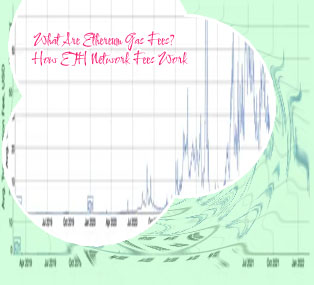
As a resident of Tokyo, Japan, I understand the frustrations that many Ethereum users face when dealing with high gas fees. With the increasing popularity of DeFi platforms and NFT marketplaces, the cost of transactions on the Ethereum network has skyrocketed, making it difficult for smart contract users to participate in activities without burning a hole in their wallets. However, there are practical steps that users can take to reduce these gas fees and optimize their transactions.
One effective tip is to carefully choose the timing of your transactions. Gas fees tend to fluctuate throughout the day, so scheduling your transactions during off-peak hours can help you save money. Additionally, consolidating multiple transactions into a single batch can reduce the overall gas costs. Another useful strategy is to use layer 2 solutions or alternative blockchains that offer lower fees than Ethereum. By diversifying the platforms you use, you can minimize your transaction costs and maximize your efficiency.
In conclusion, by following these five tips, smart contract users can navigate the challenges of high gas fees on the Ethereum network and make the most of their transactions. With a bit of planning and strategic thinking, users can optimize their experience and save valuable funds in the process. So, don't let gas fees deter you from participating in the exciting world of blockchain technology
Understanding Ethereum Gas Fees: What You Need to Know
Ethereum has been making waves in the world of cryptocurrency, but many users are still confused about one crucial aspect of the platform - gas fees. Gas fees are the cost of making transactions on the Ethereum network, and understanding them is essential for anyone looking to navigate the world of decentralized finance.
Gas fees can fluctuate wildly, depending on network activity and the complexity of the transaction. This can be confusing for users, especially those new to the platform. However, there are some key factors to keep in mind when it comes to gas fees.
Firstly, users should be aware of the concept of gas limit and gas price. The gas limit is the maximum amount of gas a user is willing to spend on a transaction, while the gas price is the amount of Ether a user is willing to pay per unit of gas. By adjusting these two factors, users can control the cost of their transactions.
It's also important to keep an eye on network congestion, as this can have a significant impact on gas fees. During times of high network activity, gas fees can skyrocket, making transactions more expensive. Users should try to avoid making transactions during peak times to save on costs.
Overall, understanding Ethereum gas fees is crucial for anyone looking to make the most of the platform. By keeping